Battery Trader
Client: PCI Energy Solutions
Timeline: Sept 2023–Mar 2024
Platform: SaaS
Role: UX Research, Product Design
Tools: Figma, Adobe CC, Microsoft Products
Introduction
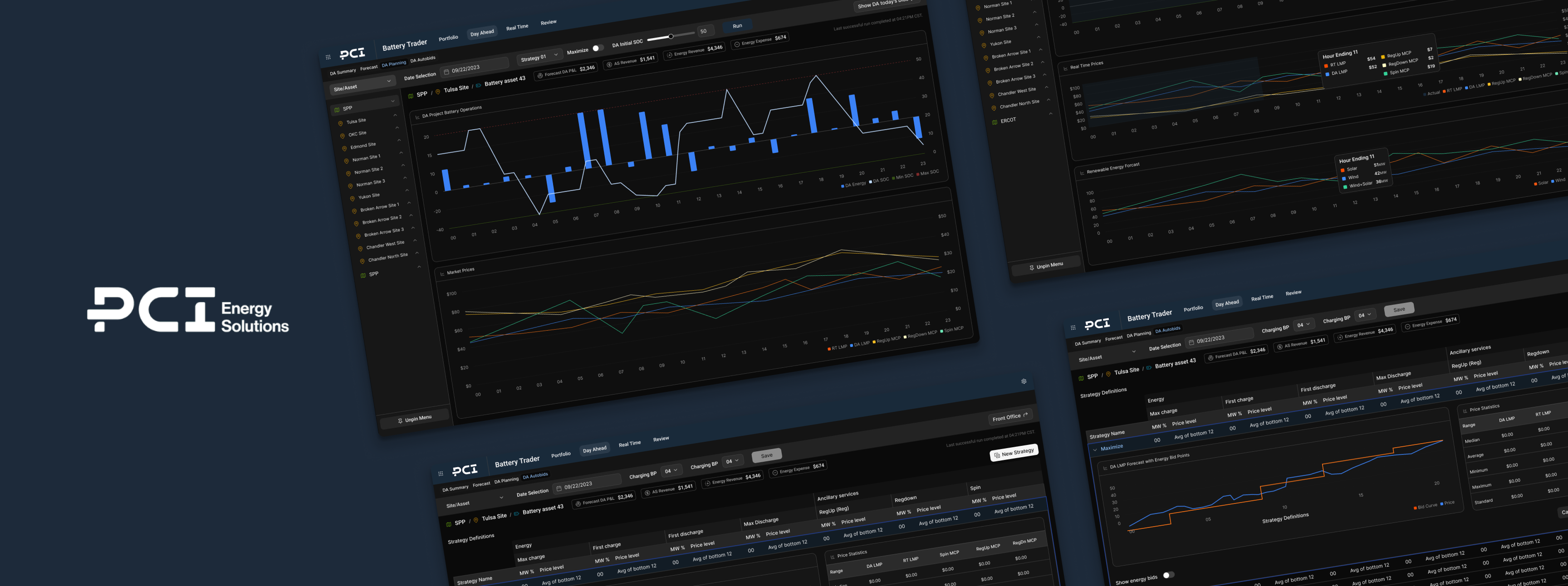
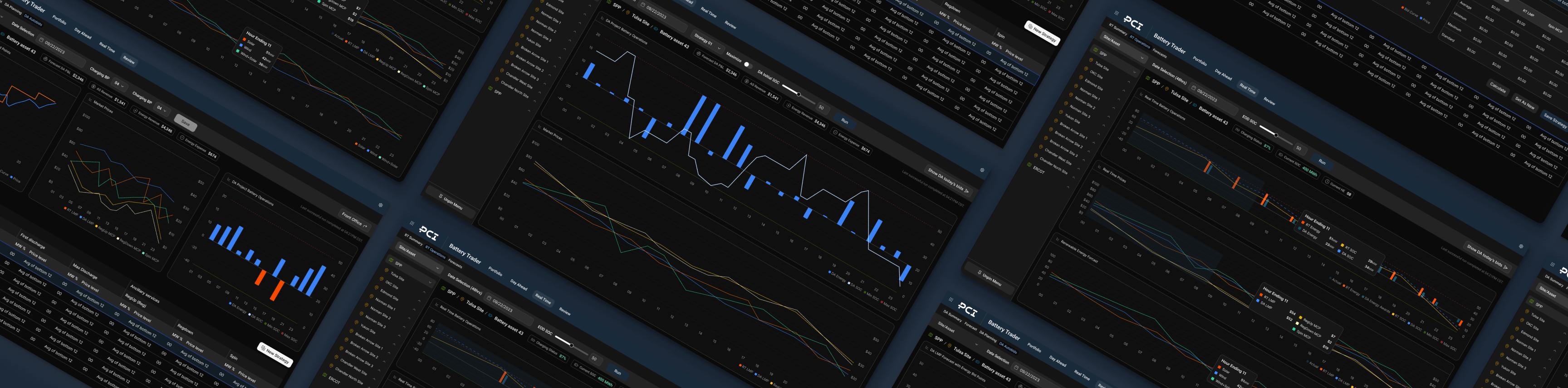
Battery Trader is a web-based platform built for battery and renewable energy site owners to optimize operations, plan bids, and analyze trading performance across multiple energy markets. The software leverages real-time data, advanced analytics, and automation to empower users to make data-driven decisions and maximize profitability.
The Goal
Design a unified platform where energy traders and analysts can manage bids, monitor markets, and run strategy across multiple sites, without the complexity and fragmentation of existing tools.
The Challenge
Energy trading is complex, with users juggling multiple data sources, unpredictable market conditions, and manual processes for bidding and strategy creation. Many existing tools fail to provide a unified solution, resulting in inefficiencies, missed opportunities, and frustration.
Discovery Phase
Define Project Goals
Establish the primary objectives for Battery Trader, such as optimizing battery and renewable site operations, enhancing market bidding strategies, and providing comprehensive analytics.
Building the Structure
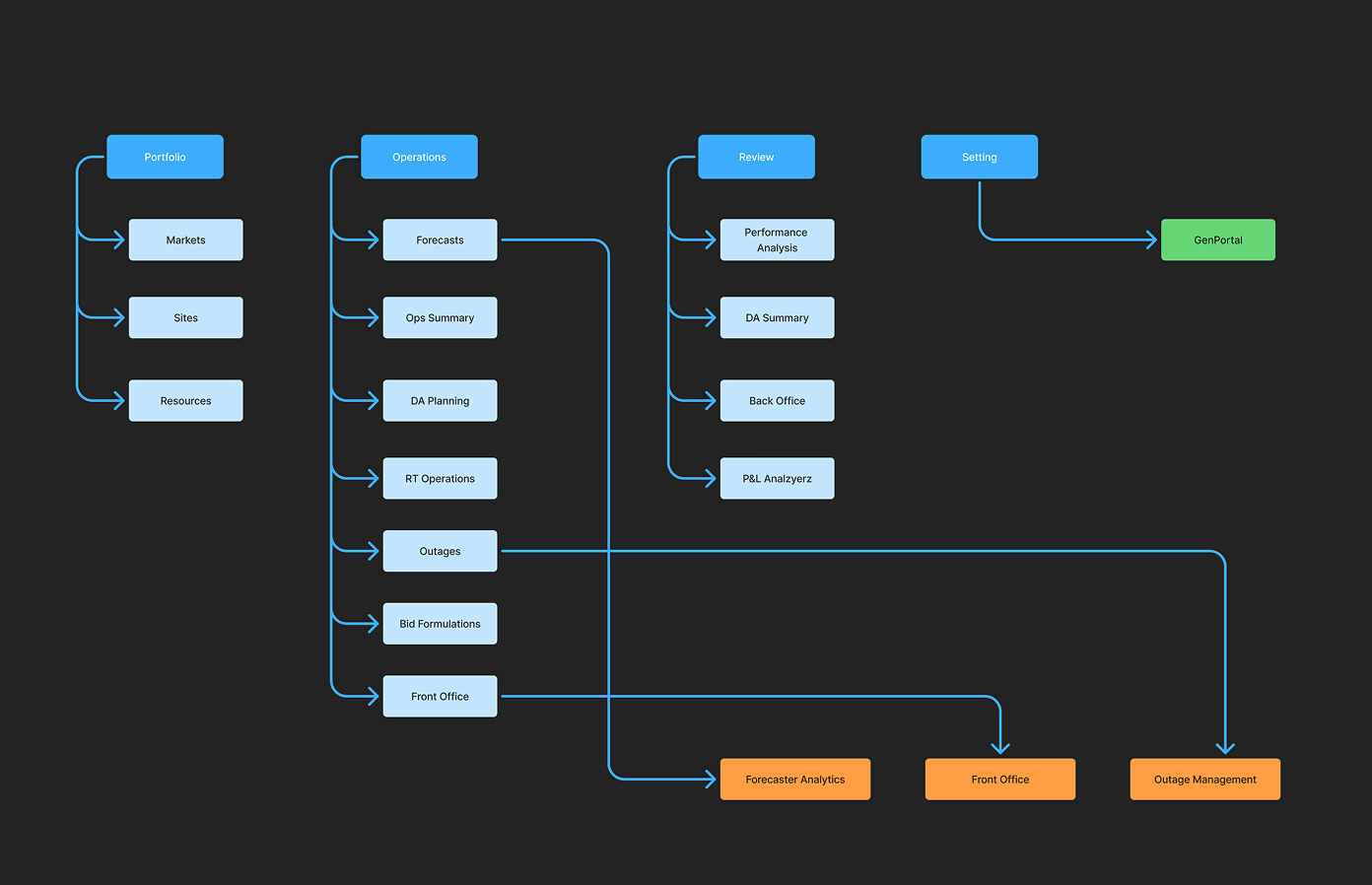
Leveraging insights from the discovery phase, David spearheaded the creation of a streamlined sitemap for Battery Trader. Collaborating closely with project managers and engineers, the team refined the platform's structure to ensure intuitive navigation and alignment with user needs, balancing technical feasibility and optimal UX.
Identify User Requirements
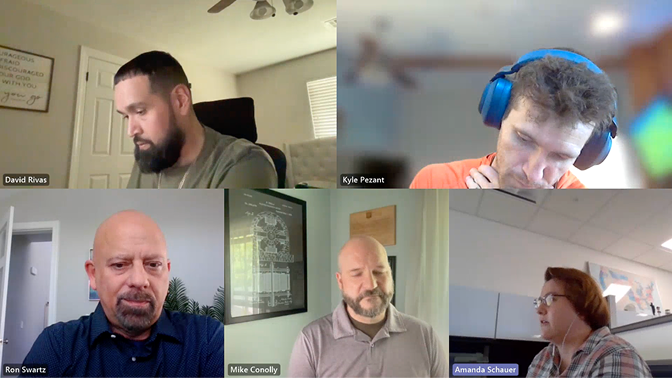
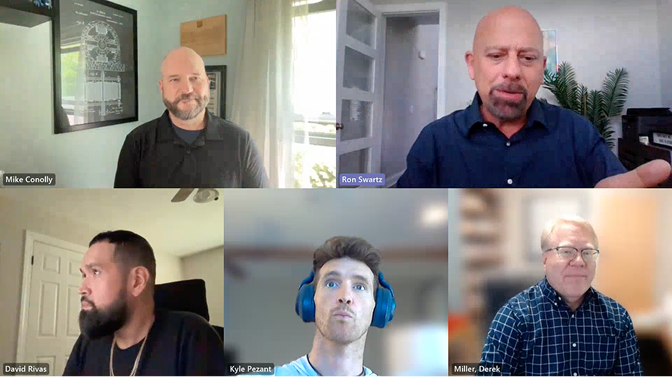
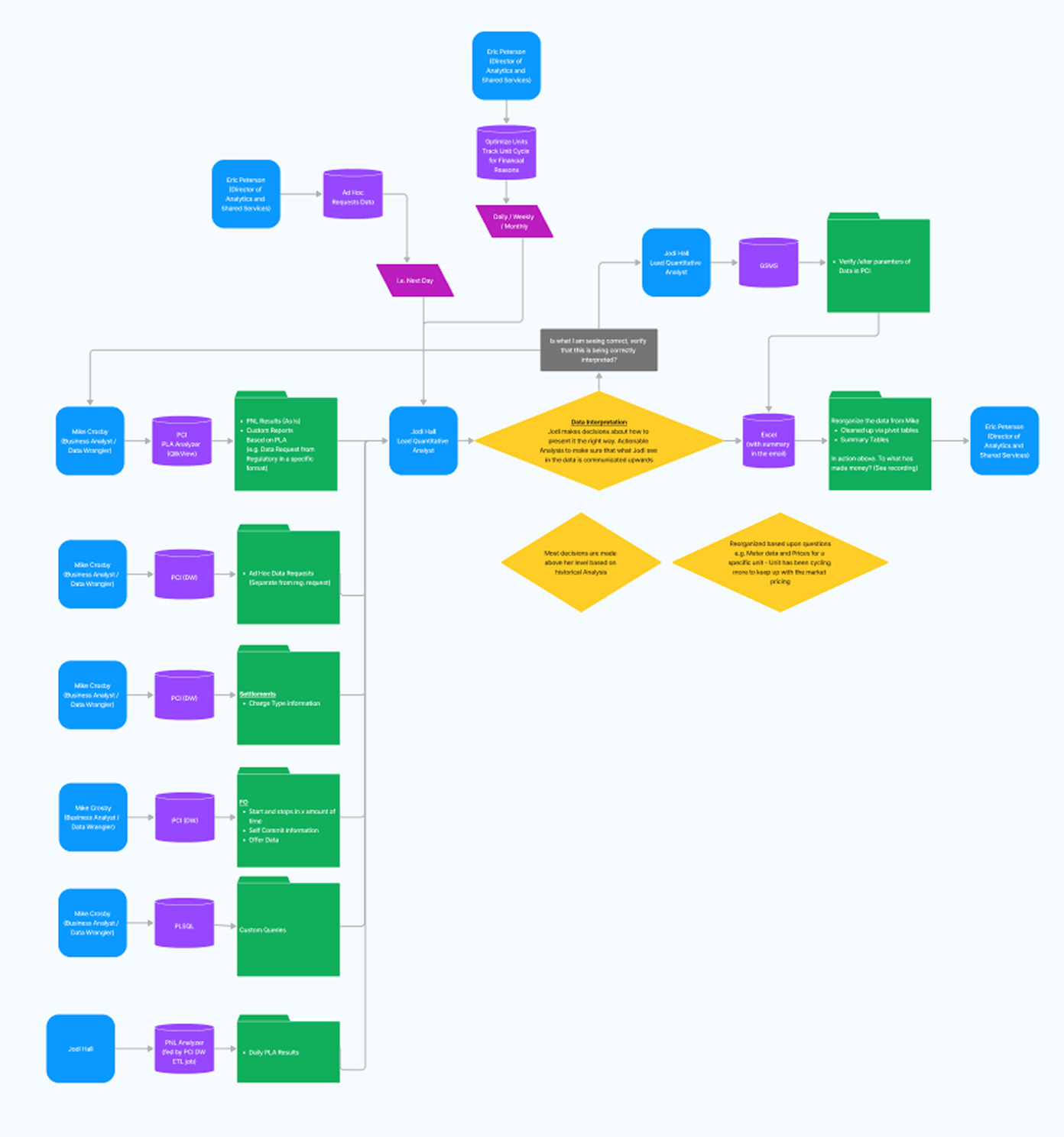
Engage with users, including site owners, energy market analysts, and regulatory bodies, to understand their expectations and requirements. Including discovery interviews with coordinating roles.
The Research
Competitive Audit
After evaluating the following competitors, David was able to take the strengths and weaknesses of each platform and use them to Battery Trader's advantage.
Competitive Audit
| Competitor | Strengths | Weakness | Pricing | Support |
|---|---|---|---|---|
| PCI | Faster performance due to new technology | Product hasn't been on the market as long as others | $2,100/mo | Support has always been key to PCI's success |
| Tesla | Seamless integration experience, great UI | Not much interaction with customers | $2,800/mo | Great documentation, little to no live support |
| New Era 360 | Uses supporting 3rd-party software integration | UX hard to navigate through | $2,000/mo | Not much support after onboarding |
| Energy One | Great UI design and usability | Data retrieval is laggy and really slow | $1,800/mo | Not much support after onboarding |
| Ascend Analytics | Makes great use of all roles involved in workflow | UI is really outdated and UX is not intuitive | $1,800/mo | Only provides support tickets |
The User Pain Points
After discovery interviews with a total of 9 participants, including day-ahead traders, real-time traders, analysts, and administrators, the team identified four recurring pain points.
Making Complexity Manageable
Tackling the complexities of energy markets head-on, the platform offers intuitive tools to cut through the intricacies, making it easier for users to optimize bids and enhance profits. Multi-market navigation becomes straightforward strategy, ensuring seamless decision-making.
Keeping Pace with the Market
In energy trading, time is of the essence. Every moment spent waiting for data to refresh or an interface to respond is a missed opportunity. Traders need software that keeps up with the breakneck speed of real-time markets, where updates are instantaneous and performance hiccups are a thing of the past.
Empowering Decisions with Smarter Tools
The right decision hinges on having the right information at the right time, presented in a way that's easy to understand and act upon. Many platforms fall short, offering either oversimplified tools or complex systems that require a manual to decipher. Traders are looking for advanced, yet accessible analytics that sharpen their edge.
Simplifying the Routine with Automation
Between submitting bids and staying alert to market shifts, traders have their hands full. They dream of a platform that takes care of the menial tasks, like a trusted assistant that knows exactly when to alert them to opportunities or submit bids on their behalf, freeing them to focus on the bigger picture.
User Personas
Alex Johnson
Day-Ahead Energy Trader · Age 35 · New York, NY
“I'm constantly battling with software that complicates rather than simplifies market analysis, making it tough to quickly adapt my trading strategies.”
Goals
- Streamline complex market analysis with intuitive software
- Rely on accurate forecasting tools
- Automate routine tasks like bid submissions
Frustrations
- Clunky and complex interfaces
- Unreliable forecasting tools
- Time-consuming manual bid processes
Samantha Lee
Real-Time Energy Trader · Age 29 · Houston, TX
“The lag and clumsiness of current trading platforms hinder my ability to make swift, informed decisions in a market where every second counts.”
Goals
- Instantly analyze and act on real-time data
- Access critical features quickly
- Reduce decision-making delays
Frustrations
- Slow updates and data lags
- Clumsy outdated UI
- Inefficient real-time analysis tools
Design Validation
Low-Fidelity Prototype
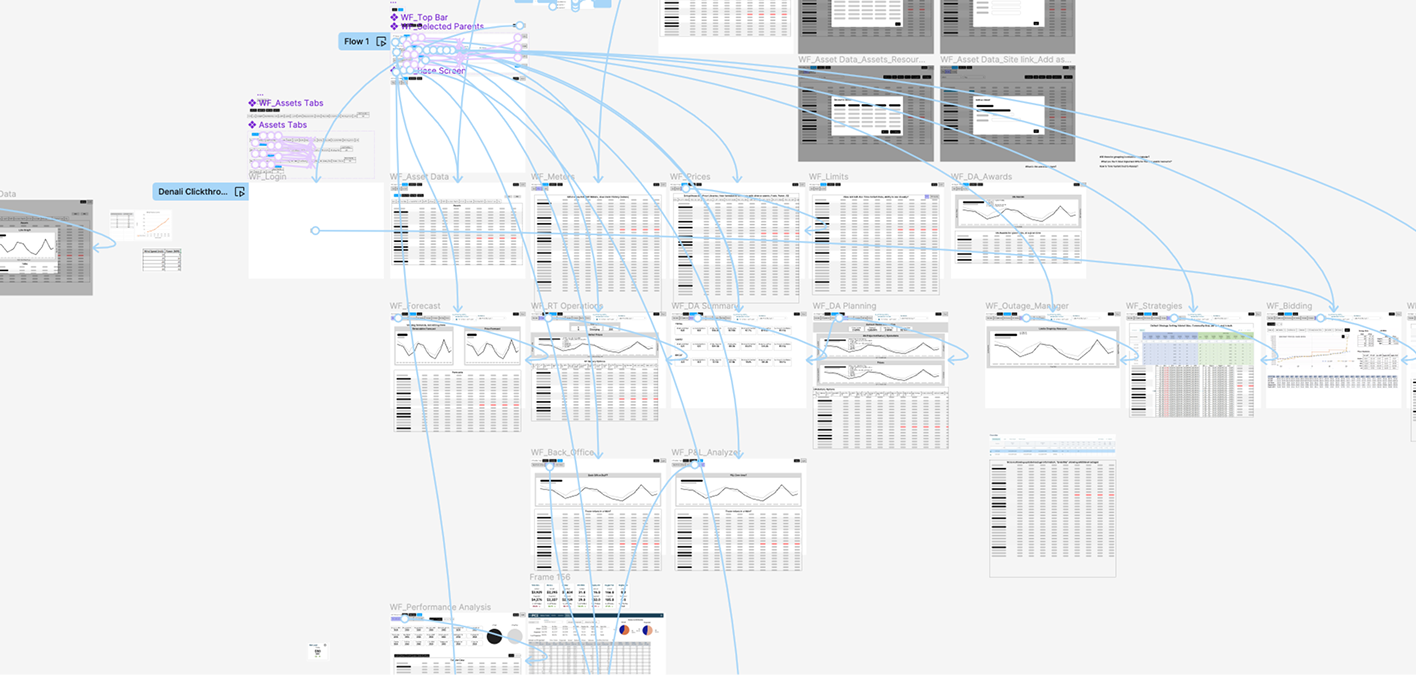
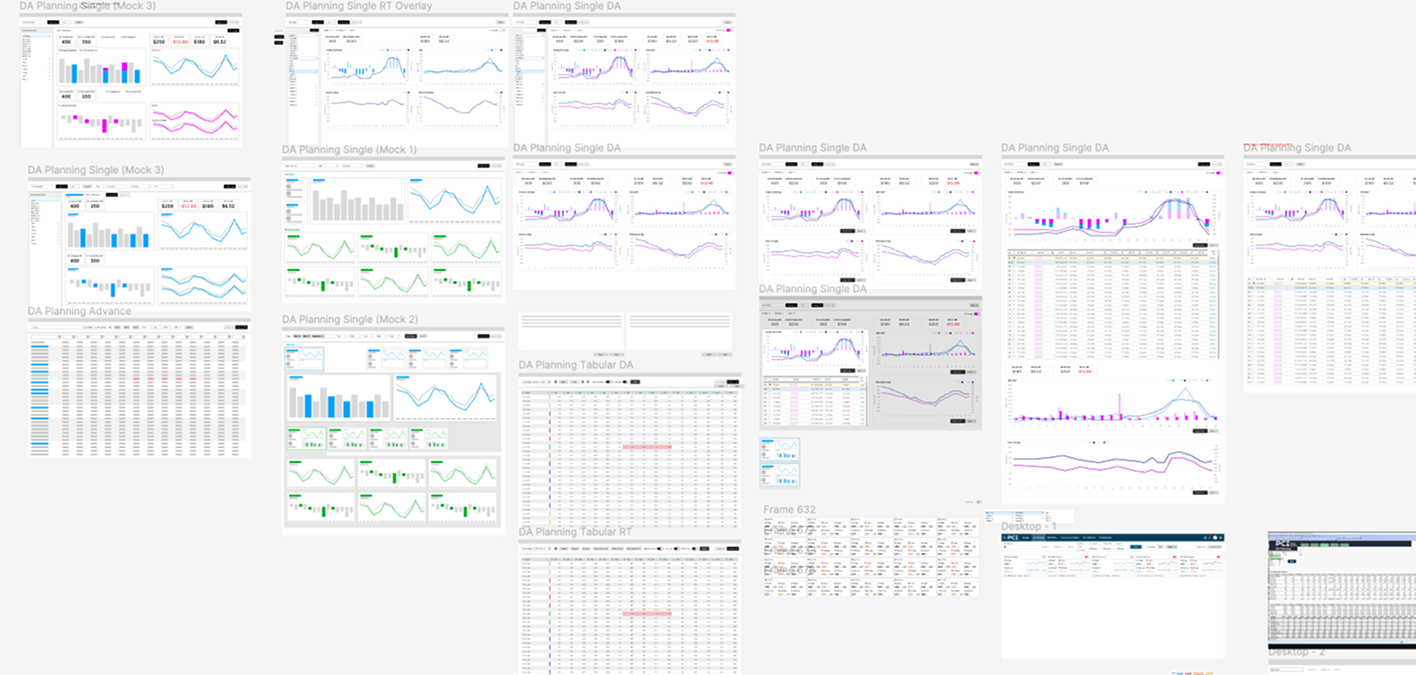
After receiving discovery-phase data from the project team and users, David moved into low-fidelity prototypes for validation and feedback.
Usability Study: Findings
When lo-mid fidelity was finished, the team took it internally and externally to get feedback from users for any missed opportunities or design pain points.

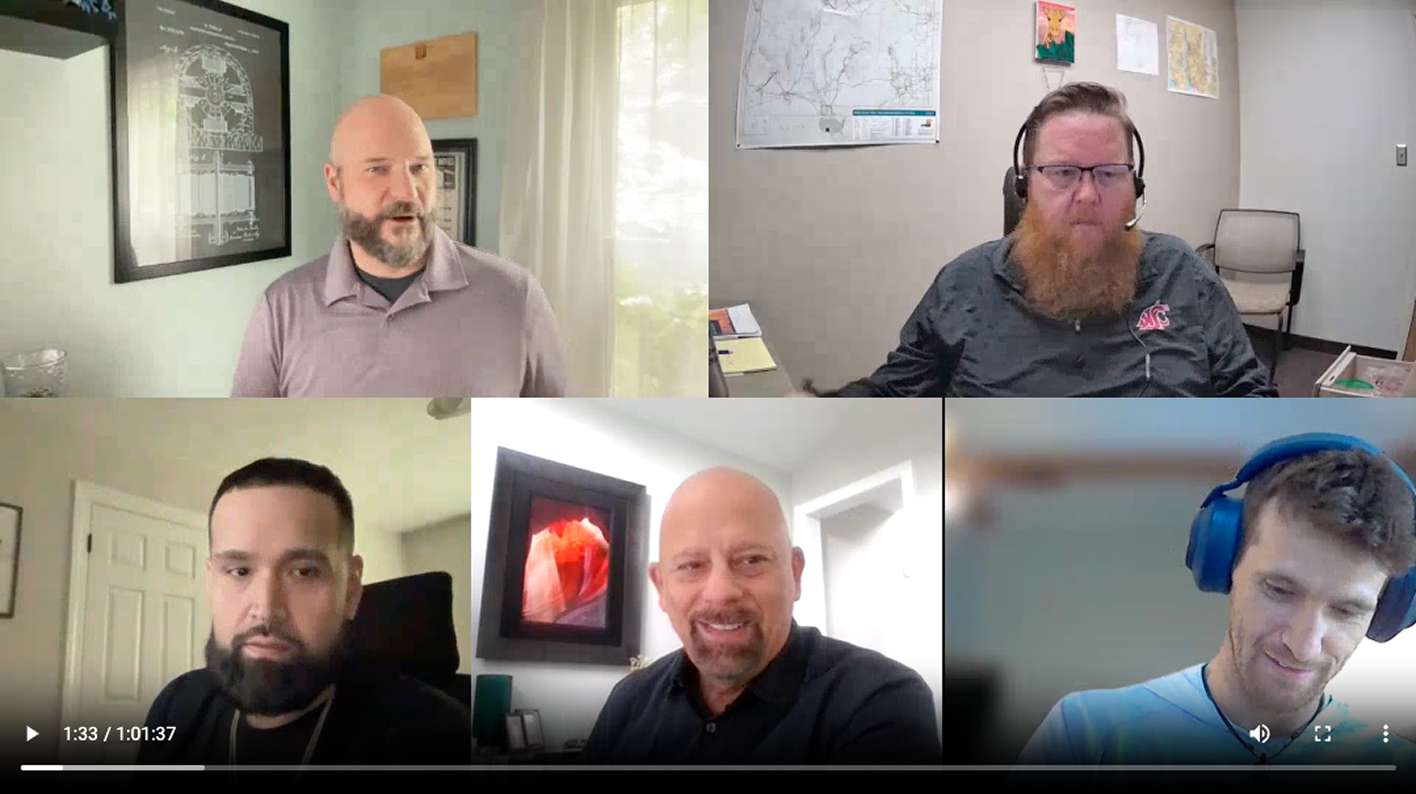
- Tailored dashboards: users loved how easy it was to make the dashboard their own; quick tweaks kept their favorite tools at their fingertips.
- Speedy updates: the real-time data ticked just right, matching the market's pulse, a game-changer for split-second decisions.
- Clear insights: analytics and visuals struck a balance, rich in insight but clear and digestible.
- Smooth sailing: the UI's smooth, intuitive feel got two thumbs up; even complex features felt accessible.
Iterating Hi-Fidelity Designs
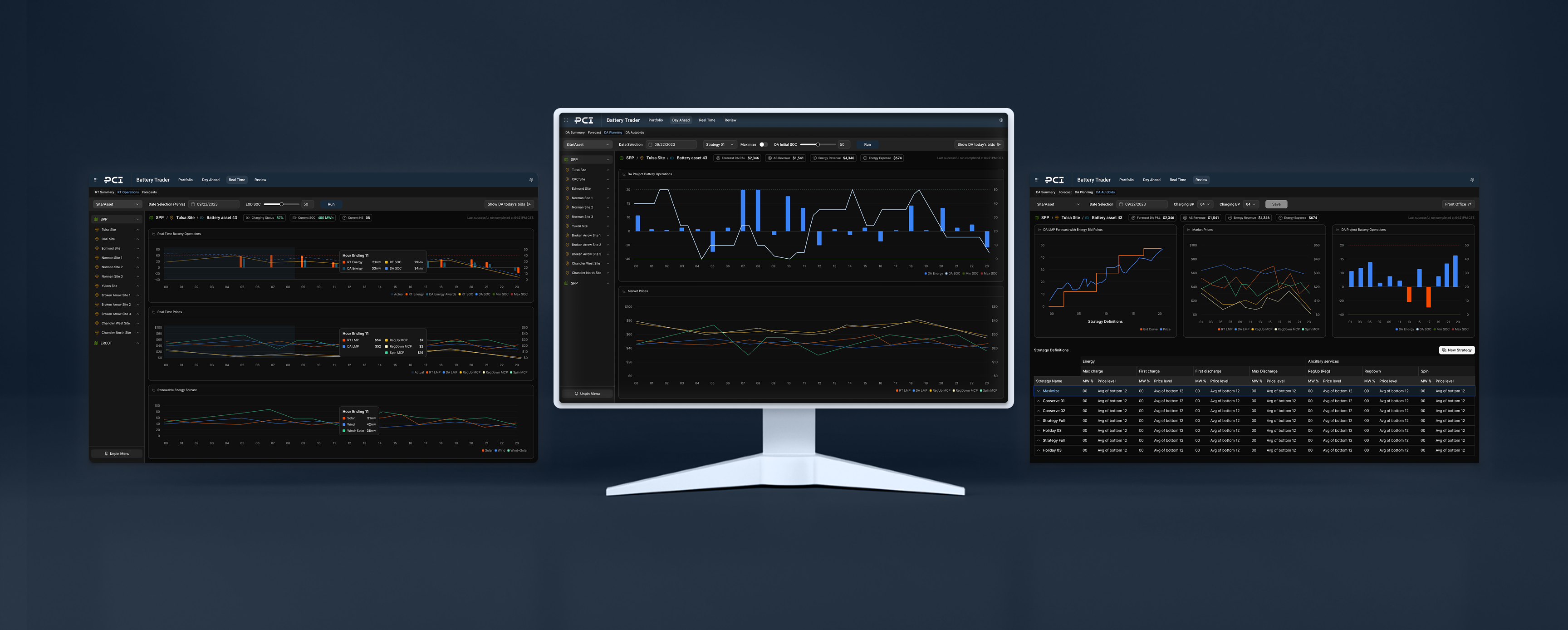
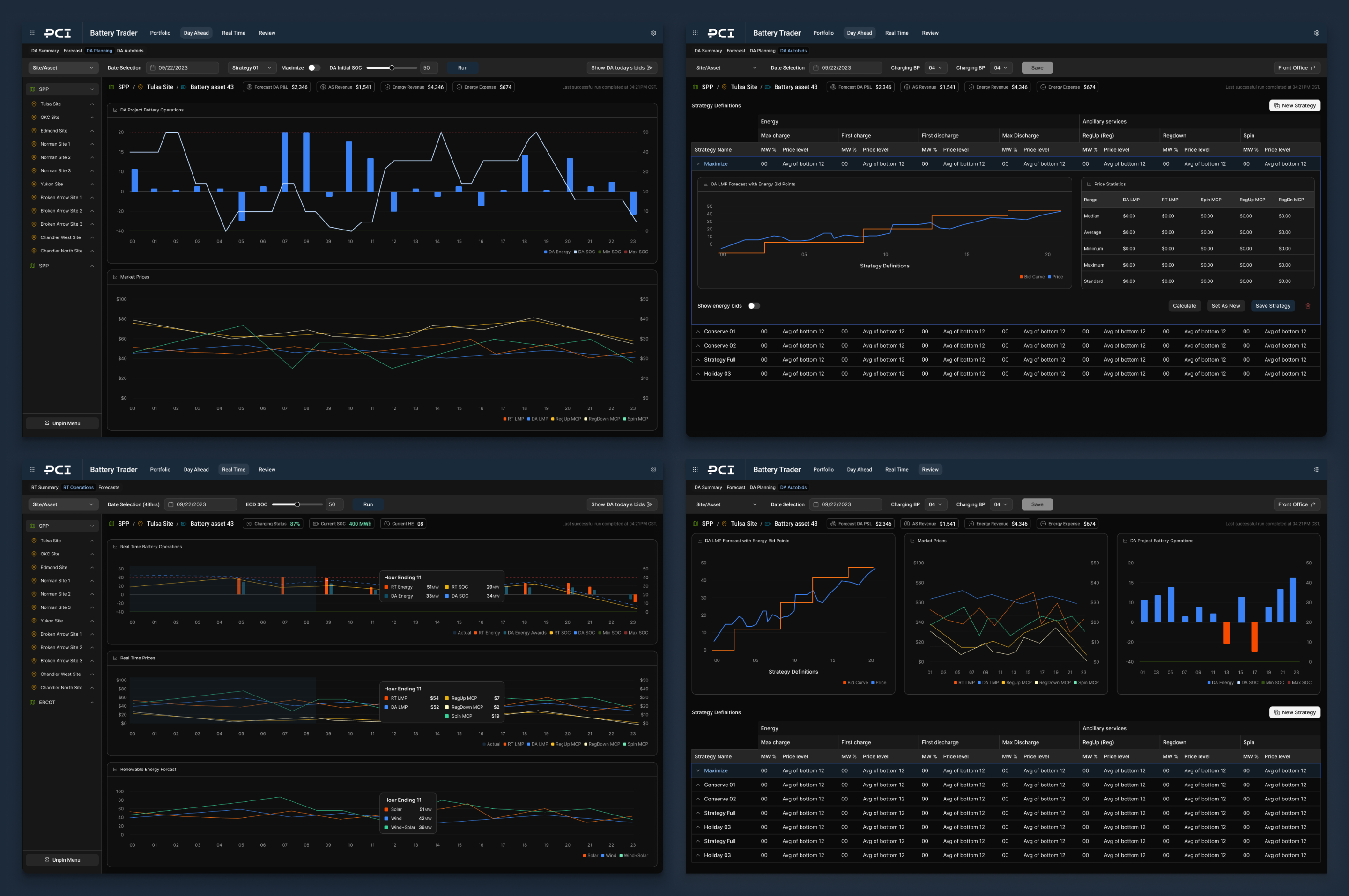
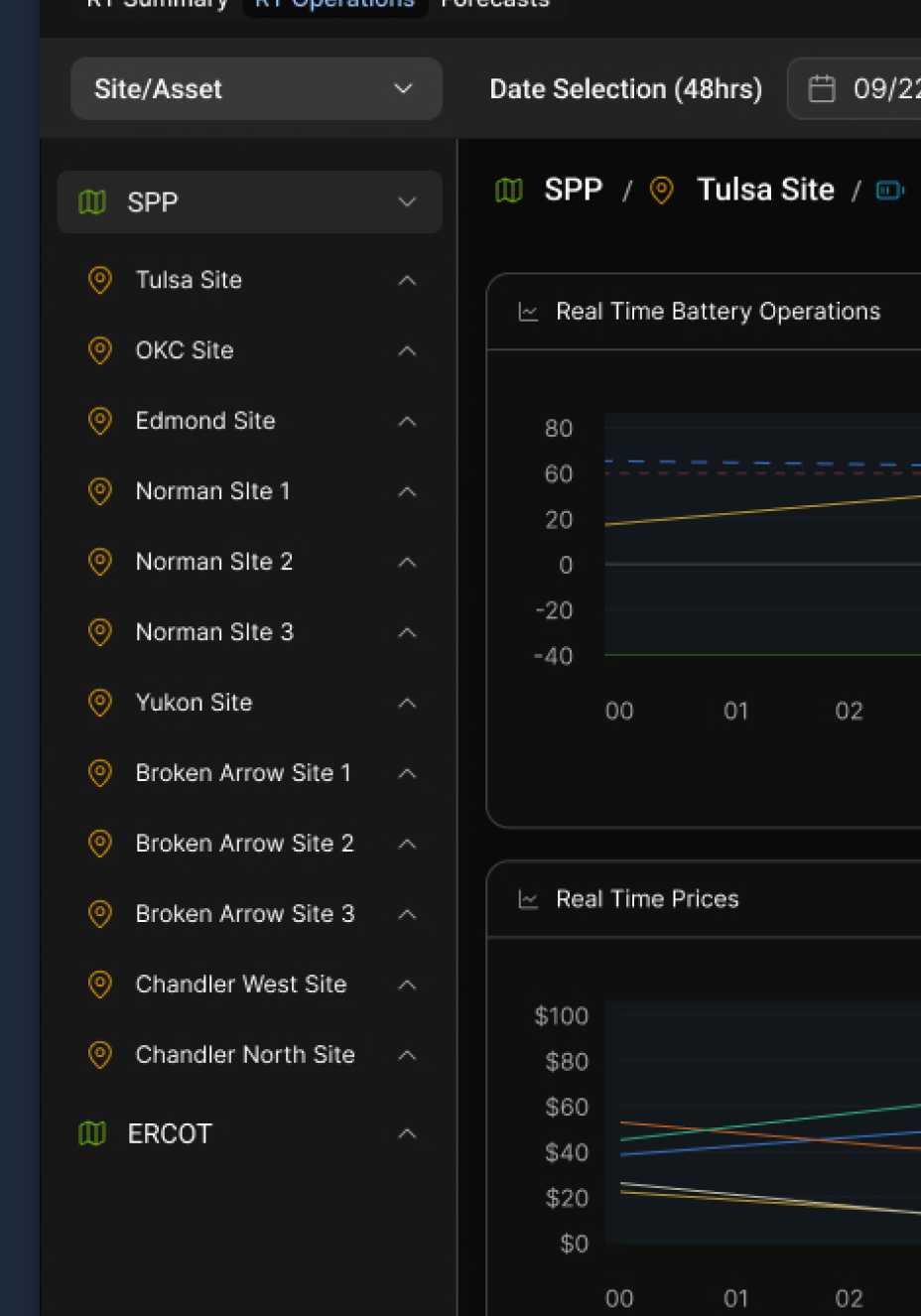
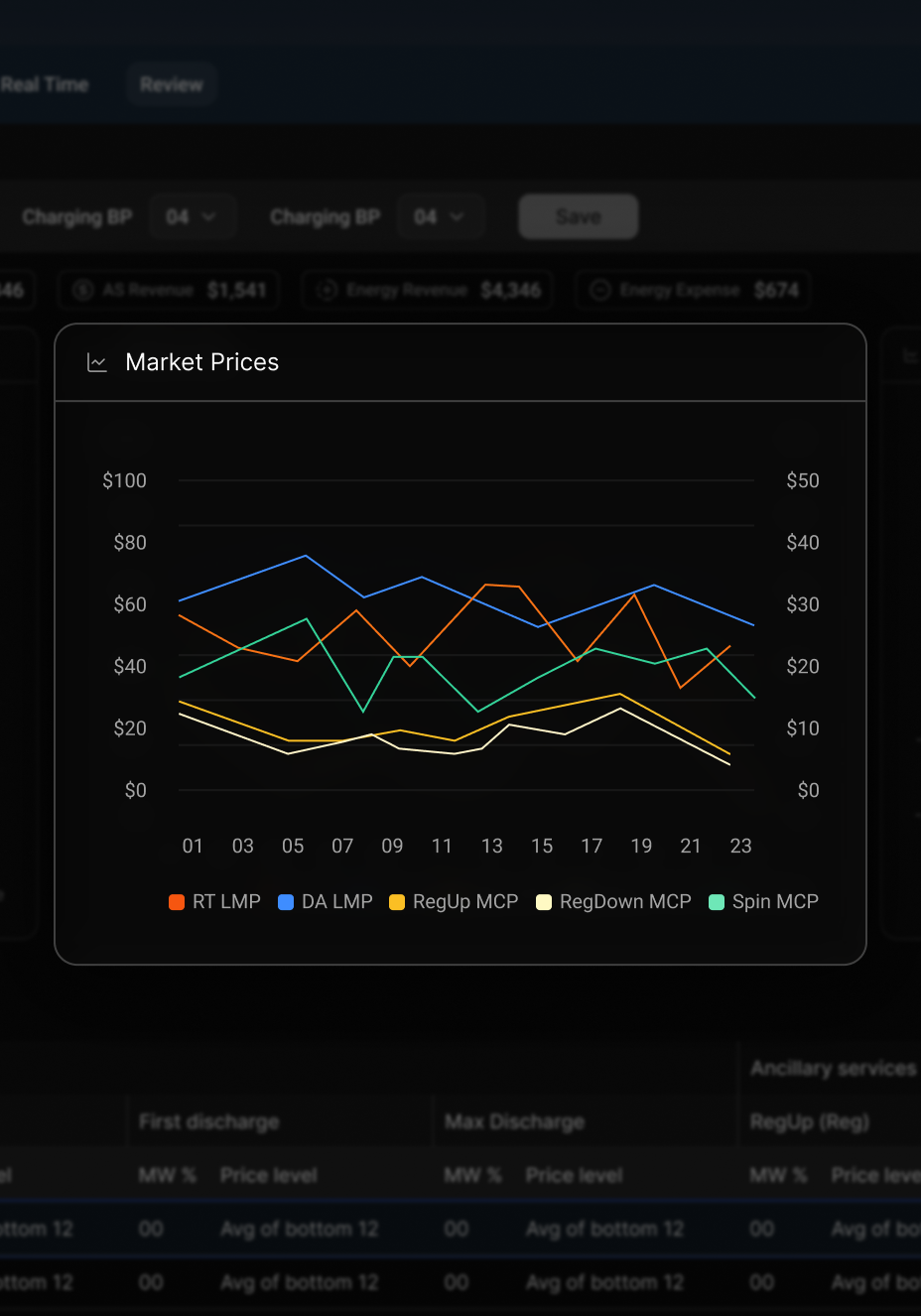
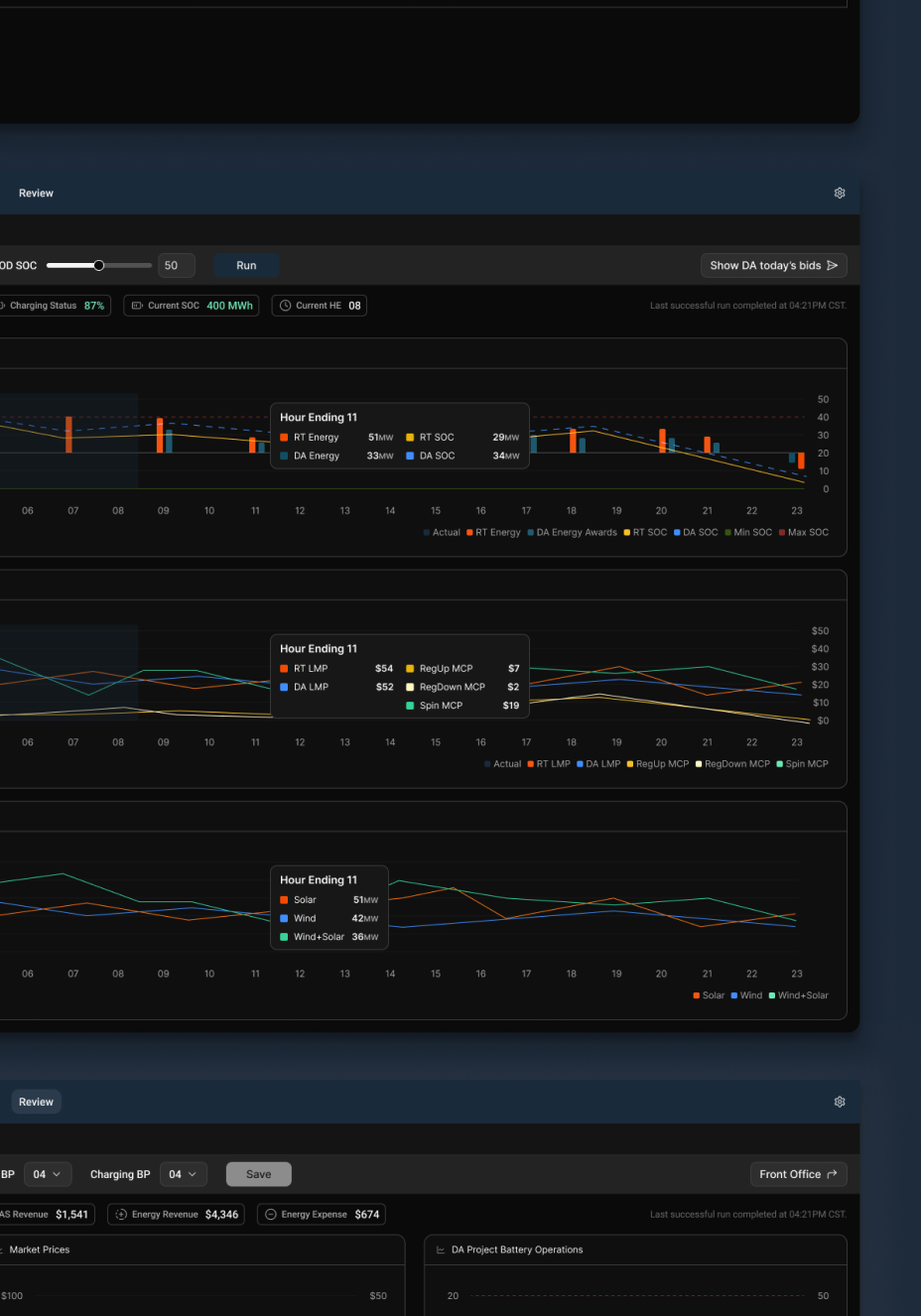
Based on the feedback from the usability study, David moved into hi-fi designs that speak directly to users' needs, fine-tuning everything from snappy real-time updates to sleek analytics, making sure each aspect is as user-friendly and engaging as possible.
Going Forward
Impact
The enhanced visuals in the UI were a game-changer during testing for traders and analysts, significantly improving their ability to make well-informed bids. The visualizations distill complex data into clear, actionable insights, enabling users to quickly identify and act on market opportunities.
What David Learned
Users crave control within a unified, efficient space. Emphasizing customization and streamlined workflows significantly boosted user efficiency and satisfaction. Giving users the ability to tailor their experience directly impacts a tool's effectiveness and their overall contentment.
Next Steps
- Develop a tablet app, optimized for touch controls and usable on a smaller screen.
- Conduct usability testing with real users post-development to refine ease of use and effectiveness.
Want to know more David Rivas? You can also see or check out .